
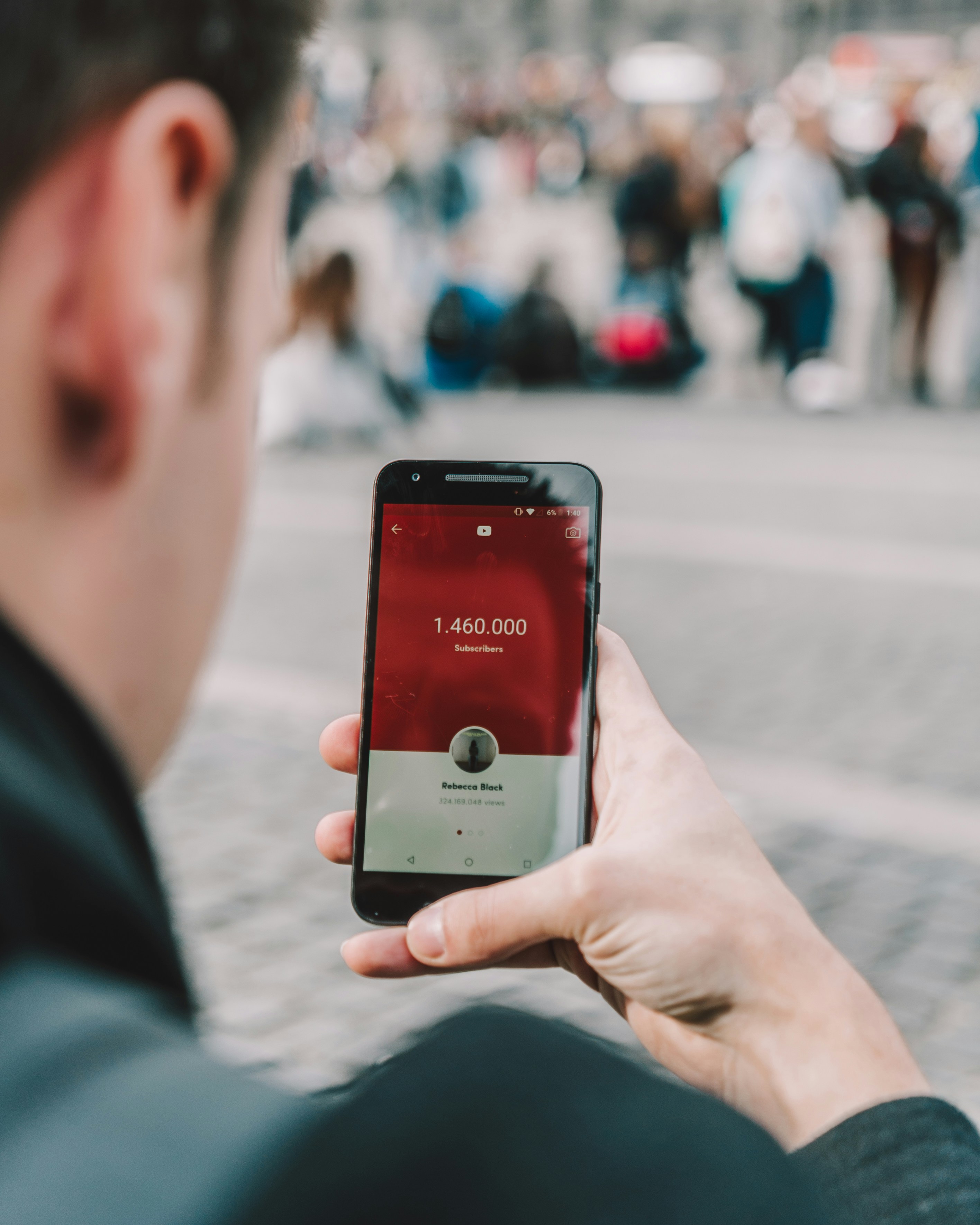
Introduction to the Great Purge
The Great Purge of 2026 marks a pivotal moment in the realm of social media, as Meta, the parent company of Instagram, took decisive action to eradicate fake followers from the platform. This extensive crackdown, which unfolded on May 6, 2026, was structured to ensure authenticity, integrity, and a more organic engagement for users across the board. The initiative was not merely a routine cleansing but rather a fundamental shift in how followership metrics were valued and addressed.
Prior to the Great Purge, the presence of fake followers had become a significant concern for influencers, brands, and even everyday users, who were questioning the credibility of social media interactions. The practice of artificially inflating follower counts posed substantial risks, including misleading engagement rates and the undermining of genuine content creators. The Great Purge effectively targeted bot accounts and inactive profiles, stripping away millions of fake followers from various accounts.
The repercussions of this monumental effort reverberated throughout the social media landscape. High-profile celebrities, influencers, and content creators experienced dramatic shifts in their follower counts, sometimes losing tens of thousands of followers literally overnight. As a result, many were compelled to reassess their digital strategies and engagement with their audiences. This loss also sparked widespread conversations about the value of authenticity in social media relationships, pushing for a cultural reevaluation of what it means to have a following.
Overall, the Great Purge not only highlighted the pervasive issue of fake followers but also aimed to forge a more authentic environment on Instagram. The actions taken on that notable day have set a new standard for quality over quantity, pushing individuals and brands to cultivate genuine connections with their audience.
Understanding Fake Followers and Their Impact
In the realm of social media, particularly on platforms like Instagram, the phenomenon of fake followers has garnered significant attention. Fake followers can be broadly categorized into three main groups: bots, inactive accounts, and purchased followers. Bots are automated accounts created specifically to inflate follower counts artificially, lacking any genuine human interaction. Inactive accounts, on the other hand, consist of users who have abandoned their profiles or are simply not engaging with content. Finally, purchased followers are typically accounts that someone paid for, promising an inflated number of followers without any authentic engagement.
The presence of fake followers can severely undermine a brand’s credibility. With the surge of interest in influencer marketing, brands often seek partnerships with individuals who boast large follower counts. However, if these followers are not genuine, the brand’s investment may yield little to no return. A skewed follower count can misrepresent the reach and influence of a brand or influencer, ultimately damaging reputations when consumers discover the truth.
Moreover, user engagement suffers when fake followers dominate a profile. Real engagement relies on authentic interactions, comments, and likes from genuine followers. When a significant portion of an account’s following consists of fake profiles, it becomes evident through low engagement rates relative to follower counts. This discord can result in a loss of trust among genuine followers, who might question the authenticity of the account’s content.
Overall, the integrity of social media platforms is also compromised by fake followers. As users become more knowledgeable about these tactics, platforms risk losing user faith, which is crucial for sustained growth and participation. By addressing the issue of fake followers, social media organizations can enhance the overall user experience, promote genuine interactions, and maintain a level playing field for authentic creators and brands alike.
Meta’s New AI-Powered Moderation Tool
In an effort to combat the growing issue of fake accounts on Instagram, Meta has introduced an advanced AI-powered moderation tool. This cutting-edge technology leverages machine learning algorithms to enhance the platform’s ability to identify and remove inauthentic profiles that inflate follower counts. The tool operates by analyzing various indicators that signal suspicious activity, thus providing a more comprehensive approach to content moderation.
The AI moderation system utilizes several criteria to discern genuine accounts from fraudulent ones. Firstly, it assesses account behavior by monitoring engagement patterns, such as likes, comments, and followers gained over a particular timeframe. Accounts exhibiting unnatural growth or excessive engagement spikes are flagged for further review. Secondly, the system evaluates the authenticity of user-generated content, ensuring that profiles are not simply created for the purpose of deceit. This includes cross-referencing data such as profile information and usage patterns with established norms from legitimate accounts.
The implications of this new AI tool extend beyond merely cleaning up follower counts. By instituting a more robust moderation system, Meta aims to foster a more genuine user experience on Instagram. As this AI technology evolves, it is expected to continually adapt to emerging trends that fraudulent accounts employ to deceive both the platform and its users. Additionally, it emphasizes the company’s commitment to maintaining the integrity of its services, ensuring that advertisers and influencers can connect authentically with their audience.
As Meta continues to refine its AI capabilities, the potential for improving content moderation across its various platforms grows. In this way, the introduction of the AI-powered moderation tool is not only a reaction to the current challenge of fake accounts but also a proactive step toward creating a more trustworthy social media ecosystem in the long run.
The Massive Scale of the Purge
The Great Purge of 2026 marked a significant turning point for Instagram as it targeted a staggering number of fake accounts within a remarkably short period. In an unprecedented move, the platform undertook a systematic crackdown that unfolded over just six hours, resulting in the removal of millions of inauthentic followers. Reports estimate that around 20 million accounts, primarily identified as bots or those engaging in fraudulent behavior, were swiftly eliminated from the platform.
This drastic action came as part of Instagram’s commitment to enhancing the authenticity of its user base, as social media platforms increasingly face scrutiny over the integrity of their ecosystems. The scale of the purge not only highlights the ongoing battle against deceptive practices but also reflects a growing consumer demand for transparency in digital interactions. Industry experts noted that this was one of the largest coordinated efforts against fake accounts in social media history, setting a precedent for future initiatives across various platforms.
The rapidity of these changes prompted a mix of reactions from users and professionals alike. Many users reacted with a sense of vindication, appreciating Instagram’s efforts to cleanse the platform of artificial engagement metrics that have plagued the industry for years. Influencer marketers and brands, on the other hand, expressed concern about the implications for their reach and engagement. For those who relied heavily on followers for revenue generation, the sudden loss of audience numbers was alarming, prompting discussions about the authenticity of influencer partnerships moving forward.
As the effects of the Great Purge continued to unfold, it became clear that Instagram’s strategic approach to addressing fake followers was not merely a standalone effort; it represented a broader commitment to fostering genuine connections and trust within its community.
Celebrity Fallout: Who Lost the Most?
The Great Purge of 2026 marked a significant upheaval in the realm of social media, particularly on Instagram, where many celebrities found themselves grappling with a sudden reduction in their follower counts. Notably, Cristiano Ronaldo, one of the most-followed individuals on the platform, saw a staggering loss of approximately 4 million followers. This dramatic shift raises questions about the authenticity of his online presence, given that he is often heralded as a digital icon.
Kylie Jenner, another celebrity accustomed to vast social media engagement, experienced a substantial decrease as well. Reports indicate that she lost around 1.6 million followers during the crackdown. This significant loss could potentially alter her influence and brand collaborations, which heavily rely on her follower base for marketing reach.
Other notable figures like Kim Kardashian and Ariana Grande faced declines in their follower numbers too. Kim reportedly lost about 1.3 million followers, while Ariana saw a decrease of approximately 900,000. The impact of these losses is likely to reverberate across their marketing strategies and brand partnerships, given that major companies frequently target influencers based on their follower metrics.
The effects of these follower losses are multifaceted. For many celebrities, the credibility of their online personas has come into question. The purge not only underscores the importance of genuine engagement but also highlights the potential repercussions of inflated follower counts. Bookings, sponsorships, and collaborations could be reevaluated as brands seek to align with figures who maintain a more authentic relationship with their audiences.
In conclusion, the aftermath of Instagram’s purge signifies a move towards greater accountability in social media metrics. As celebrities recalibrate their strategies, the industry will be watching closely to gauge how these changes will shape their online presence and influence in the future.
Public Reaction: Social Media Response and Memes
The Great Purge of 2026, Instagram’s major initiative to eliminate fake followers, sparked widespread reactions across various social media platforms. Users promptly flooded platforms such as Twitter and TikTok with their thoughts, creating a vibrant tapestry of memes, jokes, and discussions that vividly reflected the emotional landscape surrounding the event. The overall sentiment oscillated between outrage and amusement, with many users expressing their disbelief at the scale of the purge.
On Twitter, memes proliferated with captions like “When you wake up and realize your follower count just dropped by 50%” accompanied by hilarious gifs of shock and disbelief. Influencers took to the platform as well, sharing their mixed feelings. Some lamented their loss of followers, while others celebrated the opportunity to cultivate a more authentic audience. For instance, a popular influencer tweeted, “Lost 5k fake followers today but gained 100 real ones. Progress!” showcasing a lighthearted perspective on the purge.
Conversely, TikTok became a hub for comedic takes on the fallout from the Great Purge. Users created content that humorously dramatized what it was like to lose followers. Popular TikTok sound bites paired with exaggerated facial expressions caught the attention of millions, turning vulnerability into entertainment. One viral video featured a user laughing while pretending to breathe heavily, captioned, “Trying to find where all my followers went after the Great Purge!”
Overall, the reaction to Instagram’s crackdown was multifaceted, showcasing both frustration and amusement among users worldwide. Memes served as a communal outlet for creative expression, illustrating how social media continues to be a space where individuals cope with changes in the digital landscape, turning a challenging situation into a source of humor and relatability.
Implications for Influencer Marketing
The Great Purge of 2026 marks a significant shift in the landscape of influencer marketing, as brands and marketers are compelled to reconsider their strategies in response to the systematic removal of fake followers. This event has raised concern among companies that rely heavily on metrics such as follower counts when selecting influencers for campaigns. With many accounts experiencing a significant reduction in follower numbers, the emphasis on authentic engagement has come to the forefront.
Influencer marketing hinges on the ability to demonstrate an engaged audience. Following the purge, brands may find themselves evaluating potential partners based on qualitative interactions rather than sheer quantity of followers. As deceptive practices become increasingly exposed, marketers must pivot towards metrics that reflect genuine engagement, such as likes, comments, shares, and overall community interaction. This approach benefits both the brands and the influencers, fostering a more transparent relationship.
Furthermore, businesses might need to allocate more resources towards identifying and collaborating with micro and nano influencers, who typically have smaller, yet highly engaged audiences. These influencers often boast better engagement rates, as their followers are more inclined to trust recommendations from individuals they perceive as relatable and authentic. Consequently, companies may nurture these relationships over time to cultivate brand loyalty, leading to a more sustainable influencer marketing strategy.
As the dust settles from the Great Purge, the implications for influencer marketing are clear: brands must prioritize authenticity and engagement over superficial metrics. By evolving their strategies to focus on meaningful connections, marketers can better navigate this transformed landscape and ensure the effectiveness of their campaigns in reaching target audiences.
Future of Instagram: What Comes Next?
As Instagram navigates the aftermath of its significant crackdown on fake followers, the platform is poised for substantial transformations that may redefine user engagement and content creation. One of the primary areas where change is anticipated is in Instagram’s algorithms. The platform has already initiated steps towards prioritizing organic engagement over inflated follower counts, and future updates may further emphasize authentic interactions. This could lead to algorithms that detect and reward genuine engagement metrics, thereby shifting the focus from sheer numbers to meaningful connections between users.
User behavior is expected to adapt in response to Instagram’s evolving landscape. As pressures to maintain inflated follower counts diminish, individuals and brands may increasingly seek authentic engagement with their communities. This trend could foster a more positive atmosphere, encouraging users to prioritize quality content. The pressure to engage in practices aimed solely at gaining followers may see a decline, potentially giving rise to a culture that values originality and creativity over quantity.
Furthermore, Instagram’s community guidelines may be revised to reinforce its commitment to authenticity and transparency. With the removal of millions of fake accounts, the platform may implement stricter measures aimed at monitoring and controlling the growth of artificial growth tactics. Enhanced verification processes, including more robust identity checks for accounts with significant followings, might become standard practice. These measures can serve to enhance user trust and security, ultimately contributing to a healthier online environment.
In conclusion, the future of Instagram hinges not only on its technological advancements but also on the evolving expectations of its user base. As the platform shifts towards fostering genuine connections and curbing artificial manipulations, it could pave the way for a more trustworthy and engaging social media experience that truly reflects the interests of its community.
Conclusion: Lessons Learned from the Great Purge
The Great Purge of 2026 serves as a pivotal moment in the landscape of social media, particularly underscoring the ongoing battle against fake followers and inauthentic accounts. This crackdown has not only highlighted the sheer scale of the issue but has also shed light on the implications for influencers, brands, and users alike. One of the most critical takeaways from this event is the undeniable shift towards authenticity in online communities. In an era where public perception and engagement can directly impact success, maintaining a genuine audience has become paramount.
Furthermore, this monumental action by Instagram signifies a broader industry trend, where social media platforms are adopting stricter measures to foster transparency. The consequences faced by those affected by the purge illustrate that there are risks associated with attempting to artificially inflate one’s influence. Brands are now more inclined to prioritize authentic engagement over inflated follower counts, making the strategy of acquiring fake followers not only ineffective but also detrimental.
Moreover, the Great Purge highlights the need for individuals and businesses to cultivate genuine relationships within their online communities. The organic growth achieved through authentic content and engagement fosters trust and loyalty among followers, which is far more valuable than a mere number on a profile. As social media continues to evolve, the importance of genuine interactions cannot be overstated, as these interactions form the bedrock of vibrant online ecosystems.
Ultimately, the Great Purge of 2026 serves as a critical reminder for all stakeholders in social media. It emphasizes that authenticity should be at the forefront of social media strategies as we continue to navigate the complexities of digital influence and community building in the future.
Mere dost ko Jaise main apna ek phool aur badha raha hun ki aukat dikhaunga isliye aap mujhe fek followers badha ke liye bye thank u